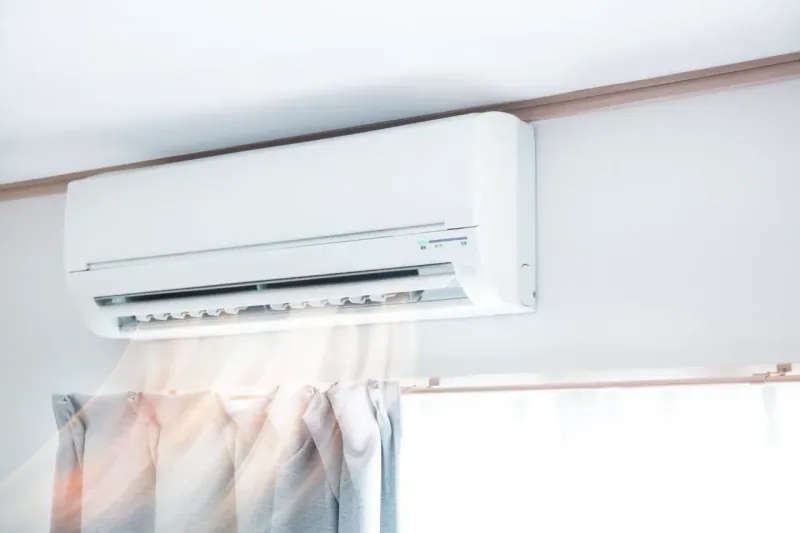
Summer in Plant City and surrounding Florida areas is a great time to enjoy a beach trip or two, but it can also be very uncomfortable due to the heat and humidity. Sometimes, it seems like there is no other choice but to adjust the air conditioner to get some respite from the heat. But that would also cause your electric bill to skyrocket.
The good news is that there are many things that you can do to keep your home cooler without having to turn your AC’s thermostat lower. Many of these tips are practical, like using window coverings to block the sun or limiting the use of your oven. Keep reading for further explanation and more tips you can follow.
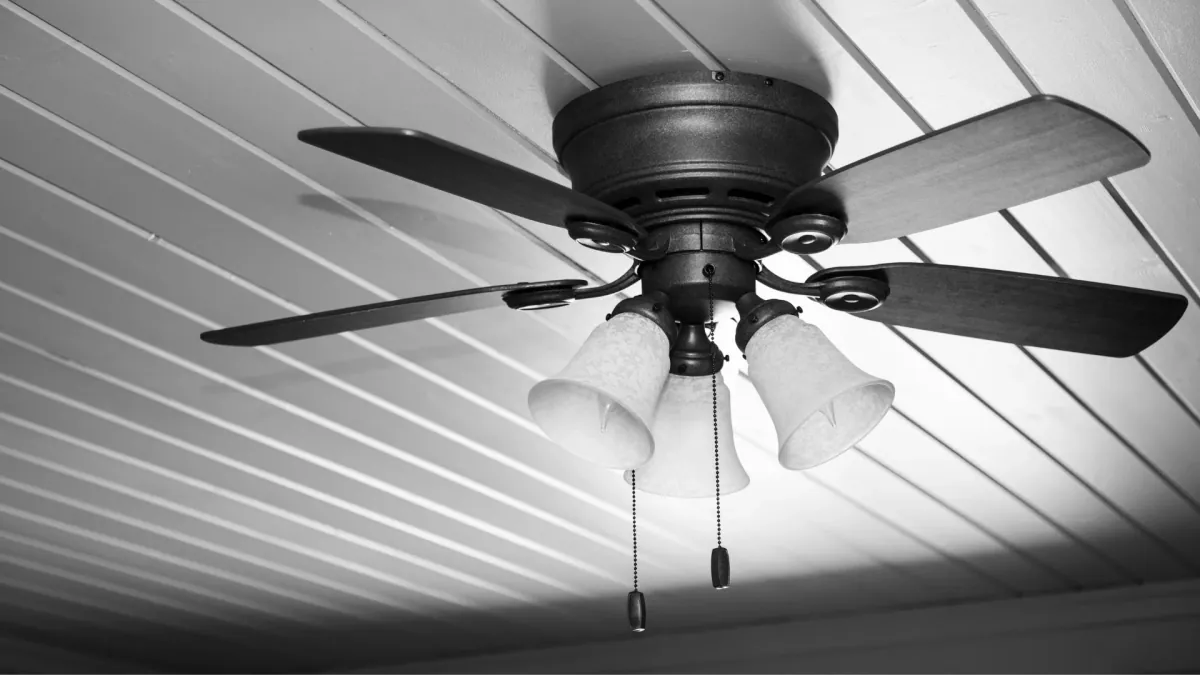
Use your ceiling fans to create a more comfortable atmosphere.
When hot temperatures become uncomfortable, you don’t have to adjust your AC’s thermostat right away. Make use of ceiling fans first. They will help keep the air moving, creating a breeze that will give you a feeling of comfort. To make sure that fans are efficiently cooling a room, it’s important to choose the right size. For small rooms up to 75 square feet, a fan that has a diameter of 29 to 36 inches is enough. But for larger rooms that total up to 225 square feet, you’ll need a fan that is around 54 inches in diameter.
Make sure to have the ceiling fans turning counterclockwise during summer to bring the cooler air down to where you are.
Fans move air, they do not cool it, so they buy you comfort rather than replace the system. If the house never gets comfortable no matter how the fans run, the system itself is usually the problem, and AC repair in Lakeland is the place to start. Our guide to common air conditioner problems covers what to check first.
Block the sun through the use of window coverings.
Glass windows look aesthetically pleasing, plus they offer a great view of the outside world. But they can also trap the heat of the sun and can heat a room in no time. Anyone who has stayed inside a hot car under direct sunlight can attest to this.
The key is to use window coverings to block the sun. Use window coverings and keep them closed, especially during the hottest part of the day. You can also have your windows tinted with heat-reducing films.
Cutting the heat load this way means your system runs shorter cycles, which is the same result you get from a seasonal AC tune-up. If you have not had one in a year, our post on the signs your AC needs a tune-up before summer is worth a read.
Use no-heat light bulbs like CFLs.
You may want to take a look at the lights you use in your home. While incandescent light bulbs are very effective in lighting a room, they also generate a lot of heat. The U.S. Department of Energy notes that a traditional incandescent bulb gives off roughly 90 percent of its energy as heat rather than light, which is a waste of energy and money.
It is time to switch to no-heat light bulbs like compact fluorescent lightbulbs. They are energy-saving but can still light a room effectively.
Limit the use of your oven.
Learn to cook wisely by not using your oven too much. The oven will only add to the temperature in the room. Instead, why not cook outside using the grill? The summer season is the perfect time for grilling and barbecues! You can also choose to prepare cold meals like cold salads and sandwiches.
If you will use the oven, here are some things you can do to minimize heat:
- Minimize opening the oven door to check the status of the meal. This will only let out the hot air into the kitchen.
- Make sure to cover the pan or pot if you are using the stovetop for cooking.
- Turn on the range hood so that the hot air will be directed outside instead of circulating the room.
Invest in a dehumidifier.
The amount of water vapor in the air is what we call humidity. Because of humidity, it can feel hotter than it actually is. That’s because when humidity is high, the sweat that our bodies bring out does not evaporate as quickly compared to when the air is dry. Evaporation is a process that cools our bodies, so when it does not happen as quickly, it feels hotter.
To counteract the humidity, you can install a whole-home dehumidifier that pulls moisture out of the air before your AC has to work through it. Drier air also carries less dust and fewer mold spores, which is why humidity control and indoor air quality usually get solved together. Homes with allergy sufferers often add whole-house air purifiers at the same time.
Set the thermostat once and leave it alone.
Constantly nudging the setting up and down costs more than picking one temperature and holding it. A programmable or smart thermostat does that for you, and we broke down what your neighbors actually pick in our post on what temperature Florida homeowners keep their AC on.
If the system is old enough that it never keeps up regardless of the setting, replacement math starts to make sense. Our post on the warning signs it is time to replace your AC unit walks through it, and a new AC installation or a high-efficiency heat pump will usually cut the summer bill on its own.
Maintaining your A/C unit is also important to keep cool during the summer. Call (863) 667-6364 if you need installation or maintenance services for your air conditioning unit
Although these tactics will help keep your home cooler, an AC unit is still necessary for summers in Florida. If your A/C unit is not working at full capacity, it’s going to be an uncomfortable summer. True Plumbers & AC offers AC repair and maintenance for residential and commercial properties in Lakeland, Plant City, Winter Haven and surrounding areas in Florida.
If you’ve noticed your A/C unit smelling or making strange noises, or it’s not just performing as well, call us at (863) 667-6364 so we can schedule a repair or maintenance. We also offer A/C installation and can even give you advice on what could best serve your property.