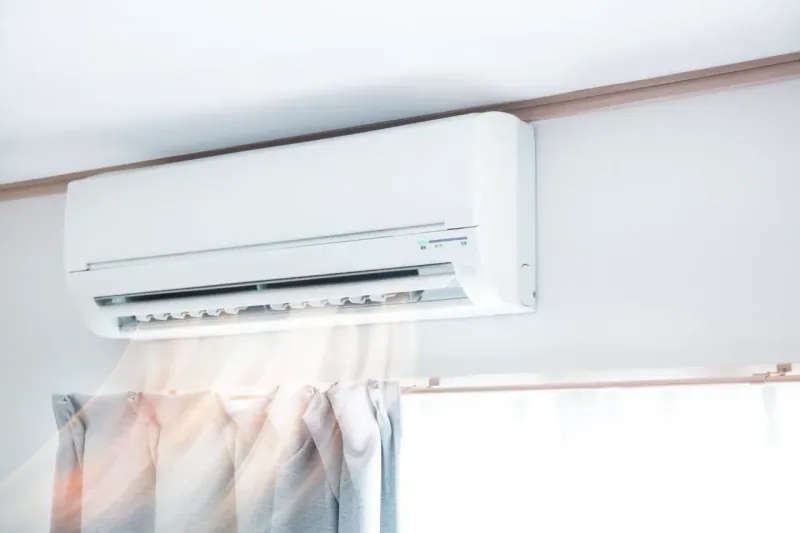

Most Americans spend roughly 90% of their time indoors, and the air in there is often worse than the air outside. The EPA reports that concentrations of some pollutants are two to five times higher indoors than outdoors. Since that is the air you breathe most of the day, it is worth doing something about.
Those pollutants trigger allergies and respiratory problems, and they also drag down your air conditioner’s efficiency and push up your energy use. Here is how to get ahead of it.
1. Regular Cleaning and Dusting
Common indoor air pollutants include pet hair, dust, dirt, mold, and mildew. Dust and dirt accumulate quickly, especially in homes with pets.
Vacuum carpets and upholstery, sweep and mop hard floors, and dust surfaces. Don’t forget your air vents and returns, which collect dust and allergens and then redistribute them. That is also the case for a system that has gone too long without AC maintenance, and homeowners across Lakeland and Plant City call us for exactly that at the start of allergy season.
2. Control Humidity Levels
Mold and mildew thrive in humid environments. Keeping indoor humidity between 30% and 50% helps prevent growth. Your AC removes some moisture as it cools, but in a Florida summer it rarely keeps up on its own, which is where a whole-home dehumidifier earns its keep.
Ventilation matters just as much in the rooms that generate the moisture: bathrooms, laundry rooms, and kitchens all need working exhaust fans that vent outside rather than into the attic.
3. Air Purification
An air purifier removes airborne particles and allergens the filter misses. Look for HEPA filtration, which captures small particles effectively. For whole-house coverage rather than one room at a time, a system-integrated indoor air quality solution treats the air everywhere the ductwork reaches.
4. Use Natural Cleaning Products
Many conventional cleaning products contain harsh chemicals that add to indoor air pollution. Natural solutions cut your exposure. Vinegar, baking soda, and essential oils handle most household cleaning. Never mix cleaning products, and keep the room ventilated while you work.
5. Ventilate Your Home
Proper ventilation is important for good air quality. Open windows when the weather permits to let fresh air circulate. Use exhaust fans in kitchens and bathrooms to pull out moisture and odors.
If your air conditioning system is not moving air the way it used to, weak airflow is usually the first symptom of a problem that also affects your air quality. Book an AC repair before it becomes a breakdown, and check the other signs your AC needs a tune-up while you are at it.
6. Regular Maintenance of Your AC System
Your air conditioning system plays a large role in your home’s air quality. A well-maintained AC filters out dust and allergens instead of circulating them.
Change or clean your air filters on schedule and book professional maintenance at least once a year. Our post on whether changing the air conditioner filter really matters settles the question, and common air conditioner problems covers what happens when it goes too long. If keeping track of it is the hard part, our True Home membership schedules the visit for you.
A system that can no longer hold humidity down or move clean air may simply be finished. The warning signs it is time to replace your AC unit will tell you whether you are looking at a repair or an AC installation.
Take Steps to Improve Your Indoor Air Quality with True Plumbers & AC
Better indoor air quality starts with a system that is clean, correctly sized, and maintained. We have handled AC service in Central Florida since 2009 under license CRC1335717.
Call (863) 667-6364 or use our contact form for AC maintenance and repair in Plant City.