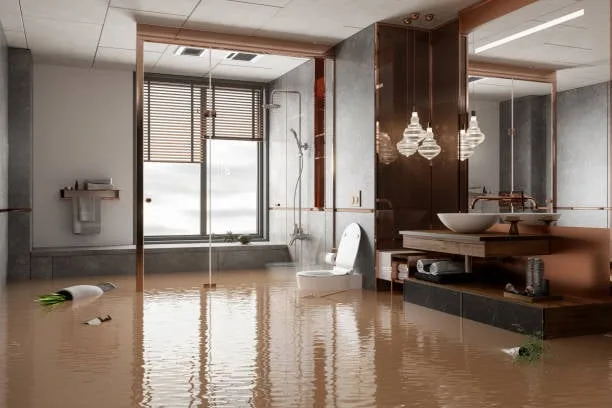
Did you know water is a leading cause of home damage?
While many things can be done to minimize your home flood damage prior to a flood, it can be entirely possible that you could find yourself in a situation that is not only unexpected, but that you are unprepared for. Water is a leading cause of home damage and can be caused by an array of situations, either natural or man-made, but most commonly:
- Heavy rains
- Burst or leaking pipes
- Malfunctioning sump-pump
- Sewer buildup and backups
Knowing how to react during and even after a flood may help keep your family and your home safe.
Safety First: Worry About Immediate Dangers
The most important thing to keep in mind is, if at any time the situation seems precarious, and you or your family are at risk, remove yourselves from the situation. Securing safety for you, your family, and your pets is foremost. Things to consider when assessing safety in your home during flooding:
- Look for any structural damage that may have been caused by the flood. Water can compromise the walls of a home or building.
- Utilities should be turned off immediately, if they can be reached safely, to reduce the risk of electrocution or gas leaks. If you need assistance during this, contact your utility companies immediately. Never wade into standing water to reach a panel.
- Flood water may be contaminated. Children and animals should be kept out of any standing water. Any adults needing to enter standing water should do so with rubber boots and gloves. Our breakdown of clear, gray, and black floodwater explains how to tell how dangerous yours is.
Removing Water and Drying Out Your Home
After the safety situation is dealt with, it is time to properly take care of your home and possessions. If possible, stop all sources of water. If a burst pipe is the source and you cannot find it, our leak detection team can, and our emergency plumbers can shut it down at any hour. Removing water will differ depending on the situation and amount of water in your home. Pumps can be used to help remove the water out of your home. Once water gets to a more manageable level, industrial dryers can remove any moisture in carpets and on floors.
If you do not act fast after a flood, mold can set in quickly and create a health hazard for you and your family. That first drying phase is water mitigation, and it is what stops a wet house from becoming a moldy one.
Beyond the Drying Process
After the water removal and drying process, contacting your insurance company should be your next move. We can help by working and communicating with your insurance company. Also, documentation through photographs of the damage and after the incident can help insurance adjusters better prepare their claims accurately. Our step-by-step guide to what to do after a water leak covers what to photograph.
Once the structure is dry, water damage restoration puts the affected drywall, trim, and flooring back. Homes that took on standing water from a storm or hurricane need full flood restoration, and our post on repairing plumbing after a hurricane or flood covers the pipe side of the recovery. If the flood ruined a water heater or soaked your air conditioning system, we handle those too.
Contact Us Post-Flood
At True Plumbers & AC, we handle flood cleanup, drying, and restoration from the first pump to the final repair. Anything from a small wall or ceiling repair to a full restoration post-flood is work our crews do. Structural rebuilds and remodeling go to our sister company, True Builders.
We serve Lakeland, Plant City, Winter Haven, and the rest of our service areas. Call (863) 667-6364 or request service online.