Repiping an entire home should be done by trained professionals. Depending on the size of your home, whole home repiping takes anywhere from three to seven days. Your home may need it for a number of reasons:
- You bought a fixer-upper.
- The house is over 50 years old.
- You have pipes that keep bursting.
- There is dripping or running water inside your walls, or non-invasive leak detection keeps finding new ones.
Any one of these issues can point towards the need for repiping. There are more of them in the five signs your property needs repiping, and homeowners have decisions to make once the existing pipe is outdated or damaged.
The Benefits of RePiping
Service life depends on the material. Copper commonly lasts decades longer than the plastic and galvanized steel it replaced, and a line carrying hard water scales up faster than the same line carrying soft water, which is one more way hard water harms your home. Even if your pipes have years left, there are reasons to replace them anyway.
One example is, if you sell your home, you can increase the value of the home and the selling price by advertising new whole-house plumbing. This is a great asset to a potential buyer because they know they will not have to worry about plumbing issues.
Other benefits include reduced water bills, better water pressure, and cleaner drinking water. Old pipe is not the only thing that affects taste and clarity, and a whole house filtration system handles what the new pipe cannot.
The Repiping Process
The length of your project depends on the size of your home, the number of water lines, and the type of materials already installed. The average repiping project takes roughly 3 to 7 days, while some smaller homes take only a day or two. We will give you an idea when we come to assess your home, and we offer financing so a repipe does not have to wait for the whole amount up front.
The actual repiping process is straightforward:
- All water lines are shut down and drained.
- The furniture and floors are covered with drop cloths, tarps, or other materials to protect them during the pipe installation.
- Cuts are made into the drywall where the pipes are run. This is necessary to locate the pipes so that they can be replaced.
- New piping is installed and connected to their appropriate spots in the system.
- Water is turned back on and all lines are tested to ensure there are no leaks.
- Once leaks are detected and corrected, or it is determined that there are no leaks, the drywall is replaced.
- Your drywall is then sealed and painted and the job is complete!
Polybutylene Plumbing
Installed in homes built in the 1970’s through the 1990’s, polybutylene was a popular piping material used for the whole-house plumbing system. The problem with this particular plumbing is that it can become brittle and break easily. It is even worse if your water is chlorinated or chemically treated.
Polybutylene is worth converting out of before it fails. When it lets go, it does so suddenly, and a burst line at 2 a.m. is a call to emergency plumbing followed by water damage restoration.
Lead Pipe Plumbing
At the beginning of the 1900s, homes were built with lead pipes. The Safe Drinking Water Act amendments banned lead pipe and lead solder in drinking water systems in 1986. Lead pipe is hazardous and needs to come out. Most homes have been updated, but not all of them.
If you have an extremely old home that has not been updated, look into having the plumbing modernized. The same applies to lines buried in the concrete, where a failure needs slab leak repair and shows up as the clues of a slab leak long before you see water.
Contact us about installing PVC/PEX or copper piping options.
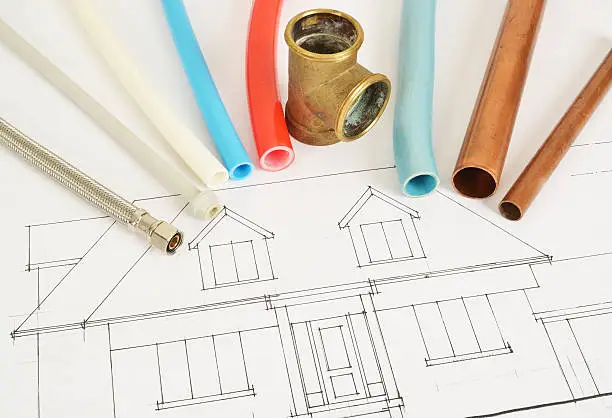
The popular piping options on the market today are copper pipes and PVC/PEX plastic pipes. Copper piping has a longer lifespan and has natural antibacterial properties, which help keep your water cleaner. They are also more expensive than PVC/PEX pipes.
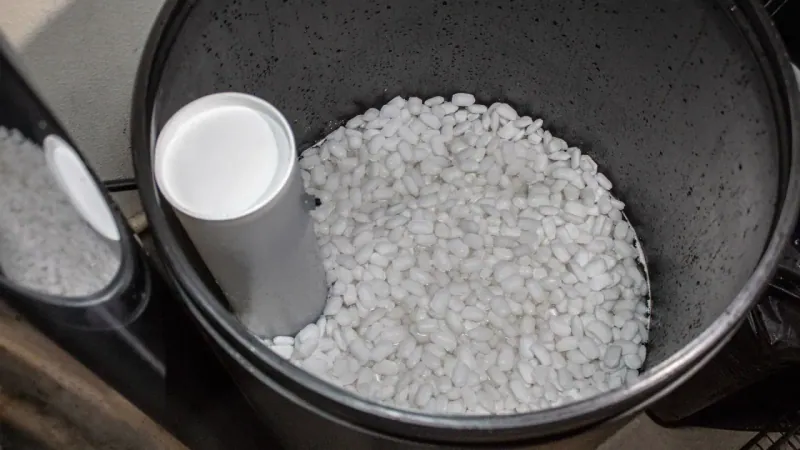
PVC and PEX piping is cheaper and flexible, which makes installation easier since less wall has to come out. Both are good choices. While the walls are open is also the sensible time to deal with anything else in the system, from the water heater to a water softener.
Contact True Plumbers & AC at (863) 667-6364 for an installation estimate on both piping options. We repipe homes in Lakeland, Plant City, Winter Haven, and the surrounding areas, and if you are weighing a spot fix first, repairing a leaky pipe without replacing it is worth reading.