When your hot water heater breaks, it is time to decide: is it worth repairing or replacing?
A tank water heater typically lasts 10 to 15 years. That range moves with where the unit sits, how often it has been flushed, the quality of the original installation, and how hard your water is.
If the unit is old and it is leaking around the base or running inconsistently, replacement is usually the answer. In plenty of other cases, troubleshooting and water heater repair will get several more years out of it. Our post on the signs your water heater needs to be replaced covers the symptoms that decide it.
A common industry rule of thumb is the 50 percent rule: if a repair costs half of what a replacement would, replace it instead. Even when a single repair comes in under that, weigh how often you have already paid for repairs and how old the tank is.
Water heater replacement
Over time, minerals in the water react with steel and corrode the tank from the inside. Once a tank itself springs a leak, repair is not an option. Modern units are more energy-efficient than older models, and glass liners make newer tanks less prone to corrosion. Replacing also lets you resize, so a household that keeps running out of hot water can move up. If you are already sizing up, our comparison of tankless water heaters versus tank models is worth reading first.
Water heating is one of the largest energy loads in a typical home, behind heating and cooling, so efficiency here shows up on the bill every month. Tankless water heaters, heat pump units, and solar systems save the most, and several qualify for federal energy efficiency tax credits. They also cost more up front to buy and install, so weigh the payback period before committing. A straightforward tank water heater replacement is still the right call for many homes, and larger jobs can be spread out through our financing options.
Water heater repair
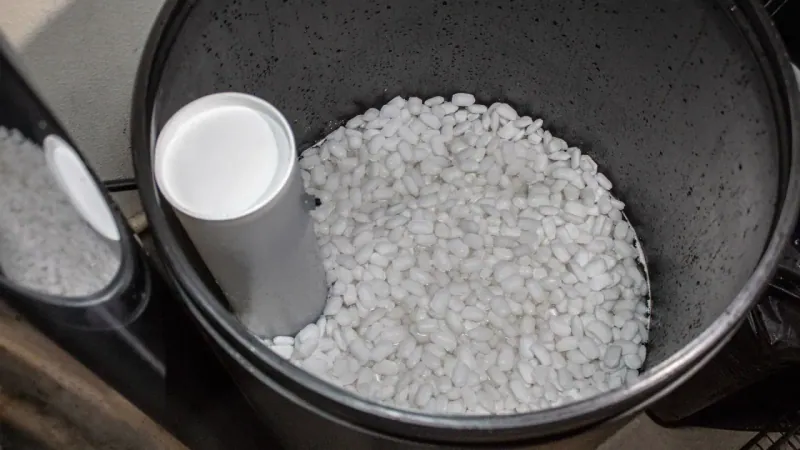
Prolong the life of your water heater by having a professional flush the system once a year. Flushing clears the sediment that drives corrosion and steals efficiency. Hard water accelerates that buildup, which is why a whole-home water softener extends tank life, and our post on how hard water could be harming your home explains what the minerals are doing.
The temperature and pressure relief valve should be tested periodically by lifting its handle and letting it snap back, which should send a burst of water into the overflow drainpipe. That water is scalding, so keep hands, feet, and children clear of the drainpipe outlet, and make sure the pipe actually discharges somewhere safe before you test. If nothing comes out, or if it will not reseat and keeps dripping afterward, the valve needs to be replaced. This is a safety device, not an optional part.
Set the thermostat to 120 degrees Fahrenheit. That reduces heat stress on the tank and lowers the scalding risk at the tap, and we cover the tradeoffs in our post on what temperature your water heater should be set at.
If the tank itself is leaking, replacement is usually recommended. If the leak is coming from a fitting, valve, or supply line instead, it may well be repairable, and professional leak detection will tell you which one you have before anything gets cut open.
Either way, maintain the unit regularly. It extends the life of the tank and saves time, money, and hassle later. Our post on what neglecting the signs of water heater failure costs covers what happens when nobody does.
We can tell you which one your tank needs
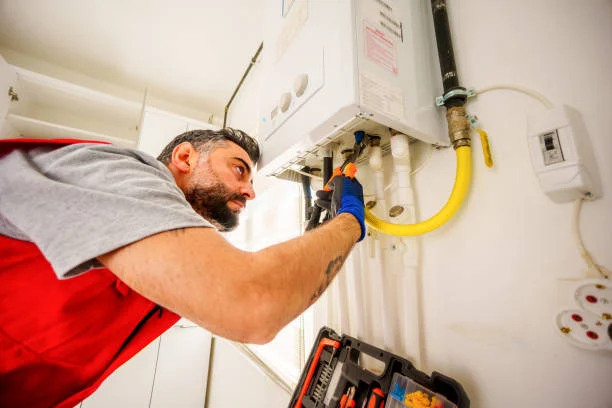
At True Plumbers & AC, we can assess the current condition of your tank and handle the repair or the upgrade. If it has already let go and flooded the utility room, our water damage restoration crew handles that too, and our 24/7 emergency plumbers answer after hours.
We proudly offer our services to properties in Lakeland, Plant City, Winter Haven, and nearby areas in Central Florida. Call (863) 667-6364.