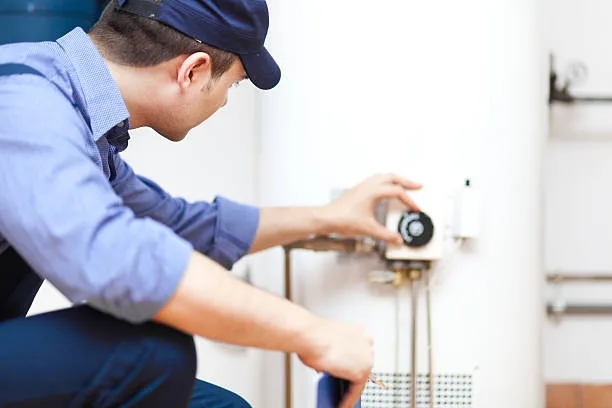
If you notice rusty water, noises coming from your water heater, or your hot water runs out faster than usual, act fast. All the above are signs your water heater may be failing, and the consequences of delayed action can be steep. Our post on the signs your water heater needs to be replaced covers what each symptom usually means.
Do not wait. Call us for water heater repair before the tank gives out, or for a new water heater installation if it is already past saving. If the tank has already emptied itself onto your floor, the same crew handles the water damage restoration that follows.
Water heater damage can do irreparable damage to your home
A residential tank holds dozens of gallons of water at any moment. If your tank fails, that water can do unimaginable damage to your home very quickly. Water can damage your floors, furniture, wiring, electronics, and more. It can also cause irreparable damage to things like drywall and wood flooring, meaning they will need to be replaced after you get a new water heater. The longer building materials are exposed to water, the more likely restoration will no longer be a viable option. That is why emergency water mitigation starts with drying, not repairs.
If you do not begin the water restoration process quickly enough, you may also find yourself dealing with secondary damage from mold and mildew. Mold removal requires the care and knowledge of an expert who has the tools to remove it safely. Mold removal and remediation services can also be expensive and time-consuming. Once mold spores begin to grow out of control, getting rid of them is an entirely separate issue in your home. If the water reached more than one room, that becomes a flood restoration job, and our post on water mitigation versus restoration explains where the line falls.
How often do water heaters need to be replaced?
On average, water heaters make it approximately ten years before they begin to have issues. They may not fail completely at that point but often require more frequent repairs beyond the ten-year mark. An older water heater will also generally be less efficient. While it may seem more cost-effective to keep your water heater as long as possible, that is not always the case. By attempting to keep it around for a few more years, you will likely wind up paying for much more expensive repairs down the line.
An insurance claim for a flooded room costs far more than a planned replacement, and a claim does not cover the years of higher energy bills and repeat repairs that come first. Our breakdown of repairing versus replacing your hot water heater walks through how to make that call. If you are replacing anyway, a tankless water heater removes the stored-water risk entirely, and we compared the two in our post on tankless water heaters versus tank models.
How to Prevent Water Heater Damage
To get the most out of your water heater and avoid water damage, it is imperative to keep up with proper maintenance. Regularly check your water heater for signs of leaks or water damage near the tank, and make sure that your water pressure is below 80 psi to prevent pipe and appliance damage. You should also check the pipes leading in and out of your water heater for rust. Rust is a sign that water is somehow reaching the outside of the pipes where it does not belong.
It could be leaking out of your water heater or be a result of condensation, but either way, it is a sign of a problem. If there is rust on the pipes, there is also likely water damage behind and under the tank, which could lead to mold the same way a full-system failure could. A slow drip inside a wall or under a slab will not announce itself, which is where professional leak detection earns its keep.
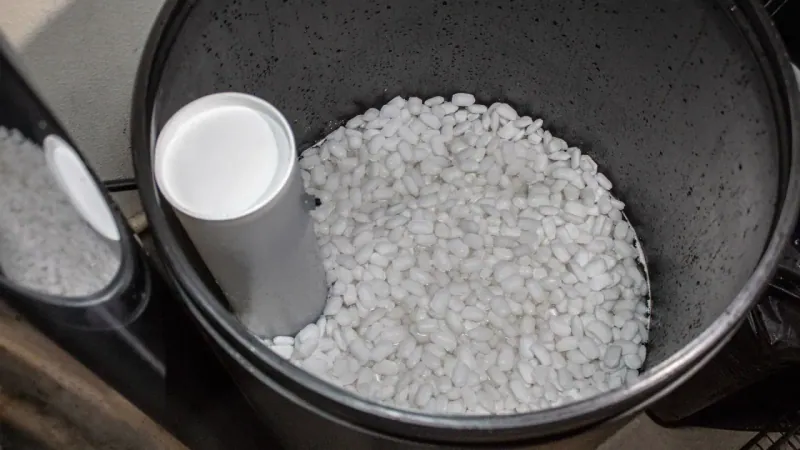
Central Florida water is hard, and the scale it leaves behind shortens tank life. Our post on how hard water could be harming your home explains the damage, and a whole-home water softener is the fix. Setting the thermostat correctly helps too, and we covered that in our guide to what temperature your water heater should be set at.
Already Have a Leaking Water Heater? Call us today!
While a watchful eye for problems, proper water heater maintenance, and timely replacement are the best ways to avoid water heater failures, sometimes, even when you do everything right, you could end up with a utility room full of water.
If you are already dealing with water damage, our team can help. True Plumbers & AC has served Lakeland, Plant City and the rest of Central Florida since 2009, and we handle both the failed water heater and the water it left behind. Call (863) 667-6364.