Quick Answer:
Hair is keratin, a tough protein, and only a strongly alkaline cleaner truly dissolves it. For most household clogs the better answer is not to dissolve the hair at all but to remove it: enzyme cleaners break down the soap scum binding it together, and a drain snake or barbed plastic tool pulls the mass out whole. Avoid harsh chemicals like Drano - they can damage your pipes and create bigger problems. For stubborn hair clogs, professional drain cleaning is the safest, most effective solution.
Key Takeaways
- Hair does not rinse away. It is keratin, and it survives everything a normal drain sends past it.
- Hair alone rarely clogs a pipe. Soap scum, conditioner, and body oils glue the strands into a mat that catches everything after it.
- Pulling beats dissolving. Removing the clog physically is faster, cheaper, and does not leave chemicals sitting in your trap.
- Baking soda and vinegar neutralize each other. The fizz loosens slime but it will not touch a packed hair clog.
- Caustic drain openers are the riskiest option, especially in older cast iron lines where they accelerate corrosion.
- Multiple slow drains means it is not the hair. That is a main line symptom, covered further down.
Dealing with a stubborn clogged drain? Call True Plumbers & AC for safe, professional removal.
Signs You Have a Hair-Clogged Drain
Watch for these warning signs:
Early Signs:
- Water draining slower than usual
- Gurgling sounds when water goes down
- Water pooling around the drain
- Visible hair around the drain opening
Worsening Signs:
- Water backing up in the sink or tub
- Multiple drains affected at once
- Unpleasant odors coming from drains
- Complete blockage with standing water
Serious Signs:
- Water overflowing from drains
- Sewage smells throughout the house
- Water backing up in other fixtures
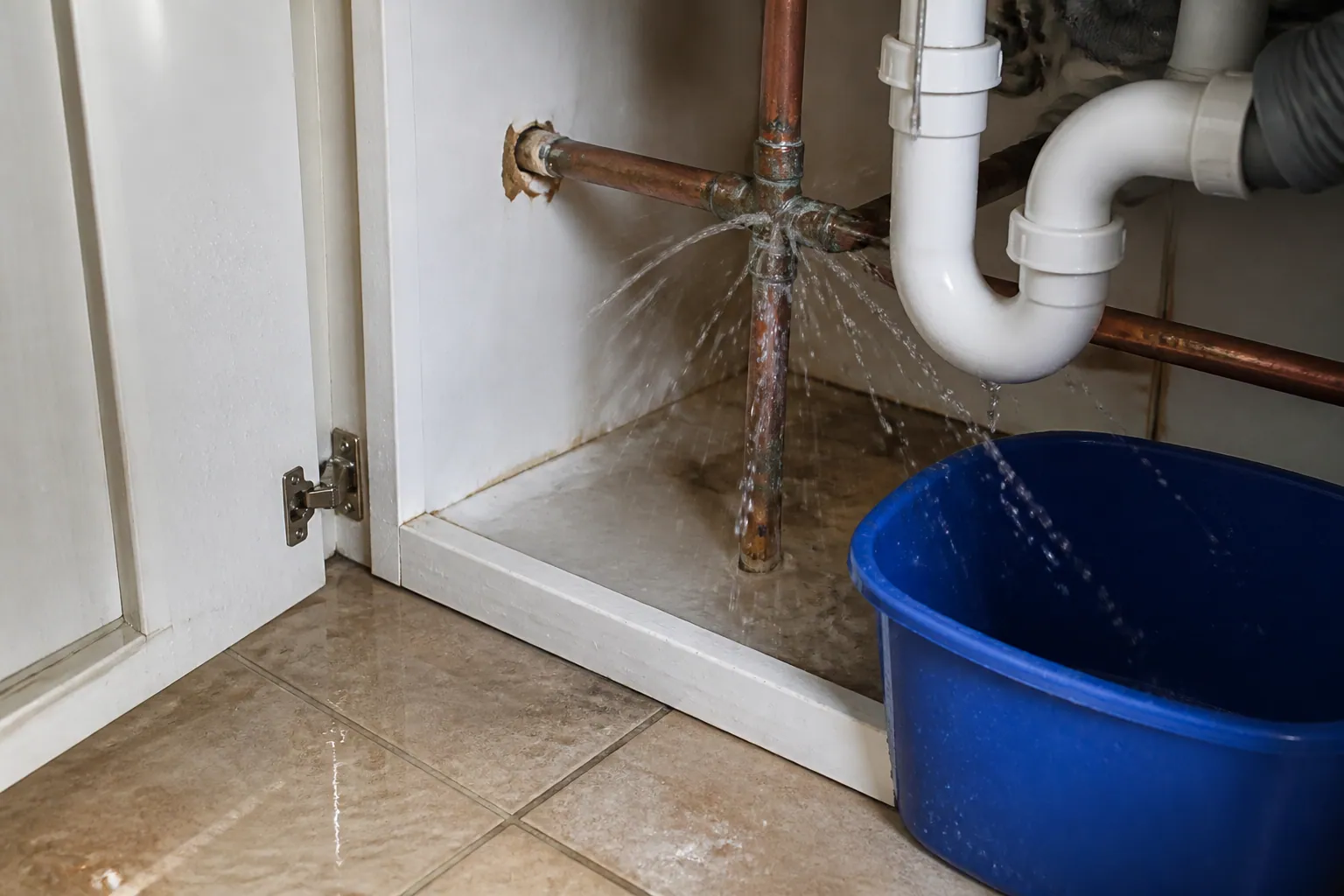
- Signs of water damage around plumbing
How many fixtures are affected is the thing to check. If only one fixture is slow, you are dealing with hair in that trap. If several are slow at once, or if water rises in the shower when you flush, the hair is not your problem and the main line is. We break that pattern down in what it means when water comes up from the shower drain and in what it means when water backs up into the bathtub.
Readers in Tampa with several slow drains at once need drain cleaning in Tampa, not another pass at a single trap.
Seeing these signs? Don’t let a clogged drain get worse - call for professional help.
NOT ONLY CAN HAIR CLOG YOUR DRAINS, BUT IT CAN ALSO COLLECT AND SPREAD BACTERIA.
What Actually Dissolves Hair in Drains
Safe Hair Dissolvers That Work:
Enzyme Cleaners (Best Option):
- Digest the soap scum, grease, and organic film binding the clog together
- Safe for all pipe types, including older cast iron
- Won’t damage fixtures or seals
- Environmentally friendly
- Work slowly, usually overnight, so they suit maintenance better than emergencies
Baking Soda and Vinegar:
- Creates fizzing action that loosens surface slime and deodorizes
- Completely safe for pipes
- Common household items
- The acid and the base neutralize each other, leaving mostly salty water, so this does not dissolve keratin
Hot Water Flush:
- Softens soap scum and body oils so loosened hair rinses through
- Safe for regular use with hot tap water
- Helps prevent future clogs
- Works best combined with other methods
Mechanical Removal (What Actually Ends the Clog):
- A barbed plastic hair tool reaches the trap and pulls the mat out whole
- A hand auger reaches past the trap into the branch line
- Nothing is left behind in the pipe to keep reacting
- This is the method professionals reach for first
What NOT to Use:
Chemical Drain Cleaners (Drano, Liquid Plumr):
- Can corrode pipes over time
- Create toxic fumes
- Often ineffective on hair clogs
- May worsen blockages
- Turn a simple job into a hazardous one for whoever opens the pipe next
The damage is not hypothetical, and it gets worse the longer the product sits. We covered that in what happens if you leave Drano in the drain too long and in why store bought drain cleaners are a bad idea.
Bleach:
- Dangerous when mixed with other cleaners
- Can damage pipe seals
- Ineffective on hair clogs
- Creates health hazards
Why Your Pipes Change the Answer
The safe method depends on what is behind your wall, and in Central Florida that usually comes down to when the house was built.
Cast iron drain lines, common in older Lakeland and Plant City homes:
- The interior is rough with scale, so hair catches and holds where it never would in smooth pipe
- Caustic cleaners accelerate corrosion that is already underway
- Clogs that return every few months usually mean the pipe is failing, not that you missed some hair
- A camera inspection is the only way to tell scale from a real blockage
PVC drain lines, common in newer builds:
- Smooth walls mean hair clogs form at the trap rather than along the pipe
- Heat is the risk here: boiling water and heat generating chemicals can soften joints
- Mechanical clearing is almost always straightforward
- Recurring clogs in PVC usually point to slope or venting rather than the pipe itself
Hard water makes both worse. Mineral scale gives soap scum something to cling to, which is why the same shower can clog on a schedule. If you are also seeing spotting on glass and fixtures, the slow drain and the spots share a cause.
Step-by-Step Hair Removal Methods
Manual Removal (Most Effective)
What You’ll Need:
- Rubber gloves and eye protection
- Drain snake or barbed plastic hair tool
- Flashlight
- Plastic bag for debris
Steps:
- Confirm no chemical cleaner has been poured in recently. If it has, do not open the drain, and tell your plumber.
- Remove drain cover if possible
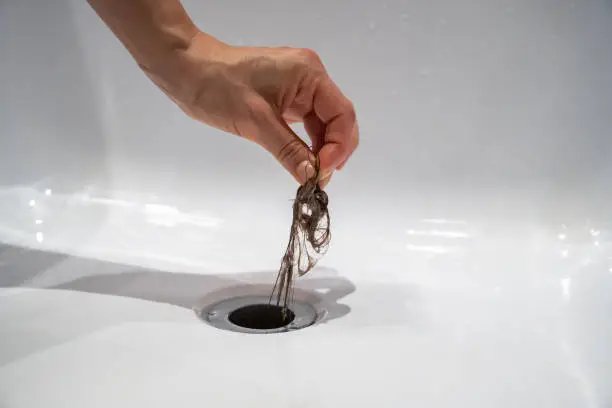
- Pull out visible hair by hand
- Use drain snake to reach deeper clogs
- Flush with hot water when done
Signs This Method Will Work:
- You can see hair near the surface
- Clog is recent and not too deep
- Water still drains somewhat
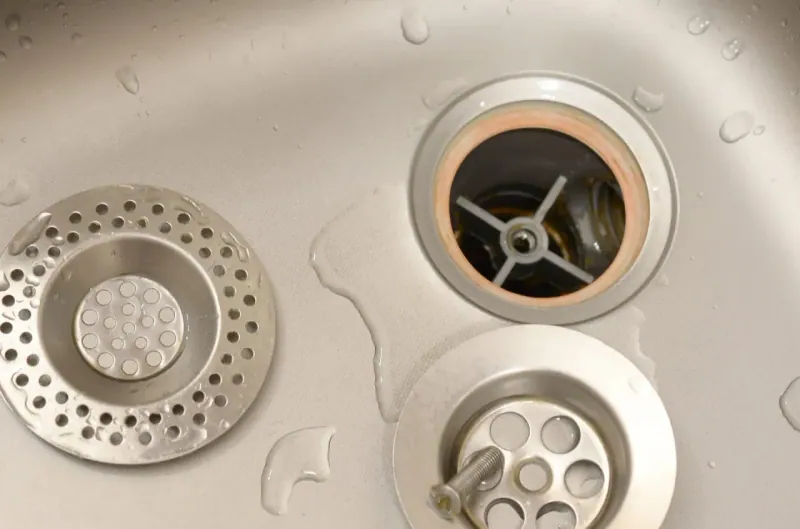
Bathroom sinks need one extra step, because the clog collects on the pop up stopper rather than in open pipe. The stopper assembly unscrews from below the sink and lifts straight out. If yours is already full to the rim, start with how to unclog a sink with standing water, and if it is merely sluggish, how to fix a slow draining sink covers it. It also helps to understand what a P-trap is and why you need one before you take one apart.
Need help? Call True Plumbers for professional assessment.
Signs Your Clogged Drain Needs Professional Help
When DIY Methods Aren’t Enough:
Multiple Drain Issues:
- Several drains clogged at the same time
- Water backing up in unexpected places
- Problems throughout the house
Recurring Problems:
- Same drain clogs repeatedly
- Clogs getting worse over time
- Methods that used to work no longer effective
Serious Warning Signs:
- Sewage odors from drains
- Water damage around fixtures
- Complete blockage that won’t clear
- Signs of pipe damage
Health and Safety Concerns:
- Contaminated water backing up
- Mold growth around drains
- Chemical exposure from previous treatments
Every item in the first two groups points past the fixture and into the main line. Professional drain cleaning clears it, and when the line is coated rather than plugged, hydro jetting for stubborn drain clogs scours the wall back to bare pipe so the clog does not simply rebuild. If you want to attempt the main line first, how to clear the main drain line in your house is the honest version of that job, and 5 warning signs of a sewer line problem lists what means stop.
If water is actually rising out of a drain rather than sitting in it, that is sewer backup repair territory. On a septic system with a soggy yard, look at the drain field before you look at the pipes.
Experiencing any of these signs? Don’t risk further damage - call for professional drain cleaning.
The Hidden Costs of Ignoring Clogged Drains
What Starts Small Gets Expensive:
Minor Clog Consequences:
- Repeated chemical treatments that don’t work
- Water damage from overflows
- Fixture damage from standing water
- Increased water bills from inefficient drainage
Major Problem Development:
- Complete pipe blockages requiring emergency service
- Sewer line backups affecting multiple fixtures
- Structural damage from water overflow
- Health hazards from contaminated water
Signs It’s Costing You Money:
- Buying drain cleaners repeatedly
- Water bills increasing unexpectedly
- Visible water damage around plumbing
- Emergency plumber calls
A water bill climbing on its own is not a drain symptom, it is a supply side symptom, and the two get confused constantly. Leak detection settles it without opening walls. When a repair does turn out to be larger than a clog, financing means you are not making that call under pressure.
Preventing Hair-Clogged Drains
Daily Prevention Habits:
Bathroom Prevention:
- Install hair catchers in all drains
- Brush hair before showering to remove loose strands
- Clean drain covers weekly
- Use enzyme cleaners monthly for maintenance
- Wipe the tub after a haircut instead of rinsing the clippings down
Kitchen Prevention:
- Never rinse hair down kitchen sinks
- Use sink strainers to catch debris
- Run hot water after each use
- Avoid putting any hair or organic matter down drains
Signs Your Prevention Is Working:
- Water drains quickly and smoothly
- No hair visible around drains
- No unpleasant odors
- Consistent drainage speed
Signs You Need Better Prevention:
- Finding hair in drains regularly
- Slow drainage becoming more common
- Frequent minor clogs
- Unpleasant smells from drains
More habits worth stealing are in our tips to keep your drains from getting clogged. If you would rather have the maintenance handled on a schedule, that is what the True Home Membership covers.
Emergency Clogged Drain Service
Call Immediately For:
- Multiple drains backing up simultaneously
- Sewage coming up through drains
- Water overflowing and causing damage
- Complete blockage in main drain lines
- Signs of contamination or health hazards
Our Emergency Response:
- 24/7 availability for drain emergencies
- Immediate assessment and containment
- Fully equipped service vehicles
- Coordination with insurance companies when needed
Don’t wait when it’s an emergency - call for immediate clogged drain service. See emergency plumbing for what that visit looks like, or schedule online if it can wait until morning.
Frequently Asked Questions
Q: What naturally dissolves hair in a drain?
Nothing you have in a kitchen cabinet truly dissolves hair. Hair is keratin, a tough protein, and it takes a strong alkaline chemical to break it down. Enzyme cleaners digest the soap scum and grease binding the hair together, which is often enough to release a light clog, but they work slowly.
Q: Why should you never use baking soda and vinegar to unclog a drain?
Because they cancel each other out. An acid and a base react to make carbon dioxide, water, and a bit of salt, so what is left in your pipe is mostly salty water. The fizzing loosens surface slime and deodorizes, but it does not dissolve keratin and it will not move a packed hair clog.
Q: What do plumbers use instead of Drano?
Mechanical tools. A hand auger or a drain machine pulls the clog out rather than trying to eat through it, and hydro jetting scours the pipe wall clean so the clog does not re-form. For maintenance between visits, plumbers generally recommend enzyme treatments rather than caustic chemicals.
Q: Does Dawn really unclog drains?
It helps with grease, not with hair. Dish soap is a surfactant, so it breaks up fats and helps them rinse away with hot water. That can free a slow kitchen drain. On a bathroom clog it only lubricates the hair mass, which sometimes lets a plunger or an auger do its job more easily.
Q: Why shouldn’t you pour boiling water down the drain?
Boiling water can soften PVC pipe and the glue at its joints, and it can crack a porcelain sink or toilet on contact. It also does nothing to keratin. Hot tap water is safer and nearly as useful for flushing softened soap scum out of a drain that still flows.
Q: Will bleach dissolve hair in a drain?
Not effectively, and it is worth avoiding. Bleach degrades hair slowly at best, damages rubber seals and gaskets over time, and produces toxic gas if it meets ammonia or an acidic drain product already sitting in the trap. Pulling the hair out beats it on every count.
Q: Are hair clogs different in the shower than in the bathroom sink?
Yes, mostly in where they sit. Shower clogs form a few inches down in the trap or just past it, so a barbed plastic tool usually reaches them. Sink clogs collect around the pop up stopper assembly, which typically has to be unscrewed and lifted out before you can clear it.
Q: How do I know when a hair clog is actually a bigger problem?
When more than one fixture is slow at the same time, when the same drain clogs repeatedly after being cleared, or when you smell sewer odor. Those point at the main line rather than at hair in a trap, and clearing the fixture will not fix them.
The Bottom Line: Choose the Right Solution
Hair-clogged drains are one of the most common plumbing problems, but they don’t have to become expensive disasters. The key is using safe, effective methods and knowing when to call for professional help.
DIY methods work great for minor clogs, but stubborn blockages need professional equipment and expertise. Don’t risk pipe damage with harsh chemicals or ineffective treatments.
True Plumbers & AC has cleared thousands of clogged drains across Central Florida since 2009. We use safe, effective methods that solve the problem completely while protecting your plumbing system.
If this clog is in a Lakeland, Auburndale, Bartow, or Winter Haven home, skip the chemicals and book professional drain cleaning. A snake or hydro jetter clears the line without eating the pipe. Call (863) 667-6364.
Call True Plumbers Now for Professional Assessment
Stop struggling with that clogged drain. Get expert cleaning that clears the blockage completely and prevents future problems.
Our Lakeland plumbers and Plant City drain cleaning team handle hair clogs, main line blockages, and sewer repairs across Central Florida.
CALL NOW for same-day service and honest pricing.
License CFC1428965 (plumbing) and CRC1335717 (HVAC) | Insured | Same-Day Service Available True Plumbers & AC - Your Local Drain Cleaning Experts
Our services
When nothing dissolves the hair in the drain
Keratin does not rinse away. If the barbed tool and the enzyme cleaner both failed, this is the work we do.
- Drain Cleaning We pull the hair mat with a machine. That is faster than waiting on another bottle. See this service
- 24/7 Emergency Plumbing Water pooling in the tub tonight? Call. We clear it the same visit when we can get there. See this service
- Sewer Backup Repair Several fixtures slow at once is not hair in one trap. That is the main line. See this service