Garbage disposals are a very handy appliance to have in your home. They offer a quick and easy solution for getting rid of unwanted liquids and some soft foods. They also help to reduce the amount of waste per household, which is environmentally beneficial.
Read This Before You Reach Into the Disposal
Never put your hand or a tool into a garbage disposal while it can still receive power. The wall switch is not enough. Before you retrieve a dropped spoon, free a jam, or fish out a bone, shut off the breaker that feeds the disposal, or unplug the unit from the outlet under the sink, and confirm the motor will not start. A disposal that is jammed can still be live, and it can turn the moment the obstruction shifts.
If something is stuck and you cannot see it clearly, stop. Standing water on top of a jammed disposal is its own problem, and our guide on clearing a garbage disposal with standing water in the sink walks through it. When the jam will not clear, emergency plumbing service is cheaper than a hand injury.
How to Properly Run Your Disposal
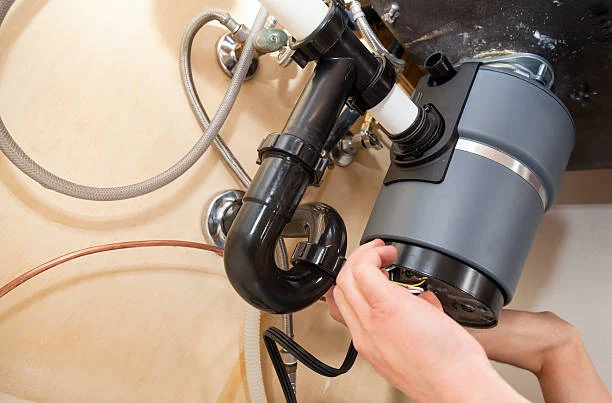
Garbage disposals are installed adjacent to the kitchen sink and are activated by using a switch or button. The disposal does all its work of grinding and breaking down food, while running water flushes down the pipes. However, there are very specific do’s and don’ts, when it comes to operating your disposal.
Water Temperature
Run your disposal with cold water. Do not use hot water, as this can cause both fats and greases from the food to go into their liquid state and hold fast to the blades. Over time, this could create a buildup that can cause blades to malfunction or lose their ability to chop up food. As a rule, you should never pour grease down the disposal. Cooled grease is one of the most common reasons a kitchen line ends up needing professional drain cleaning, and it is a habit worth breaking early. Our list of ways to keep your drains from clogging covers the rest of them.
Flush with Running Water
Make sure to use plenty of water every time you run your garbage disposal. This means the water should be running before and well after you have switched the disposal on and off. Once the grinding has minimized to a soft whir, turn off the disposal and continue to run water for 10-20 seconds. This allows the broken down food to be flushed out of the disposal and down the pipes. If the sink still drains slowly after all that water, the blockage is past the disposal, and our guide to a slow draining kitchen sink is the next place to look.
Avoid Certain Foods
Generally, any food that is hard or fibrous can be harmful to your appliance. Small, hard pieces of food can become wedged under the blades, which can cause your disposal to jam. Similarly, fibrous foods can wrap themselves around the blades and jam your system that way. Some foods to keep out of your disposal include:
- Eggshells
- Corn Husks
- Potato Peels
- Big Bones
- Seeds or Pits from foods
- Expandable Foods, such as pasta or rice
- Celery
Food should be the only thing being chopped up in your garbage disposal. Avoid pouring materials such as grease or oil into the appliance, because it can create clogs both in the pipes and in the device. Homeowners should never place glass, plastic, metal, or paper down the disposal, as they can cause a jam and ruin the blades.
Grease and starch do not stop at the disposal either. They coat the P-trap under the sink and then the branch line, and a line that has been coated for years usually needs hydro jetting to scour the pipe walls clean rather than another pass with a snake. Homes on septic have a further reason to be careful, because solids that a disposal sends to the tank shorten the life of the septic drain field.
Maintain & Clean Your Disposal
Your disposal, like any other appliance in your home, needs proper care. Food and sludge will build up over time, causing the disposal to require a proper cleaning regularly. Not cleaning your disposal on a regular basis may lead to malfunctions due to clogging from the sludge and debris. Additionally, you will stand a good chance of bad smells seeping into your home.
Avoid Harsh Chemicals
Use a blend of baking soda and vinegar to clean out your garbage disposal. This mixture creates a natural chemical reaction and avoids the rough treatment that your appliance and pipes can receive from certain chemical cleaners. Bottled drain openers are worse than useless here, and we explain why store bought drain cleaners damage pipes in a separate post.
Go the Citrus Route
Citrus is a great cleaning agent and has the added bonus of leaving behind a fresh scent. Grind citrus fruit in your disposal periodically to clear waste and eliminate odors. Citrus peels that work best for this purpose are orange, lemon, and lime.
Be Smart When it Comes to Your Disposal!
Follow these tips to ensure the longevity of your garbage disposal and to help prevent unnecessary clogs and jams, whether in the machinery or your pipes. Never put a hand or a tool into the disposal, and cut the power at the breaker first any time you need to look inside it.
A disposal that jams every week is often telling you about the pipe behind it. Persistent odors, gurgling, or a sink that backs up when the dishwasher drains can point to a partial blockage in the branch line or to a main sewer line backup. Under-sink leaks that show up after a jam usually come from the trap connections or the disposal flange, and a plumber can settle that with leak detection instead of guesswork. If the drain line under the kitchen is old galvanized pipe that keeps catching debris, whole home repiping ends the cycle.
We work on kitchen drains every day in Lakeland, Plant City, and Winter Haven. Steer clear of any accidents or injuries by contacting a professional plumbing company, like True Plumbers & AC. Call us at (863) 667-6364 for your garbage disposal maintenance needs, or book a visit online.