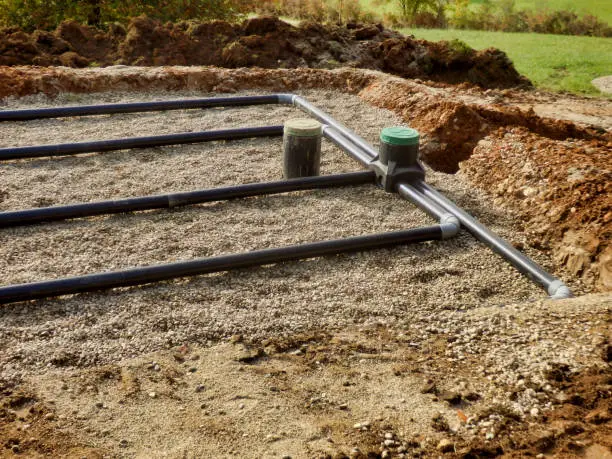
The most important component of your septic tank drainage system is the drain field. The drain field is a system of perforated pipes in the ground that are in trenches and surrounded by soil. The drain field is the key part of your sewage system that can bring the entire operation down, and replacing one is among the most expensive repairs a homeowner on septic will ever face. It is also the part that maintenance actually protects, which is why septic drain field service is worth putting on the calendar rather than waiting for a smell.
Your Septic Tank Relies on the Drain Field
Have you ever heard someone say, “My septic system failed” or “my sump pump isn’t working properly”? Chances are the problem is actually in the drain field. How does this happen?
Over time, homeowners tend to spend little time and maintenance on their plumbing systems. Unfortunately, this can lead to some massive plumbing issues and ultimately put your family’s health at risk if sewage were to back up onto your property or home. A backup that reaches the house is an emergency plumbing call, and it usually shows up first at the lowest fixture, which is why water backing up into the bathtub is such a common first symptom.
The Septic System Requires a Clean Tank and Working Pipe Systems
The tank is considered the belly of the operation and the drain field is the elimination system. The tank collects raw sewage, with the waste falling to the bottom of the tank and the water/liquids rising to the top. The water heading through the drain field should be relatively clear if your tank is doing its job. From there, the soil soaks up the bacteria and water.
Everything going into your septic system should be biodegradable. When grease, oil, and kitchen waste get into the mix, things get dicey. A garbage disposal makes that worse by design, which is one of the things worth knowing about running a disposal on a septic property. Wipes are the other big one, and flushable wipes do not break down in a tank any better than they do in a sewer.
Failure to Maintain your Drain Field
You will know immediately if your drain field is becoming problematic. There are telltale signs that your drain field system is in failures, such as sewer pooling or clogged plumbing in your home. Other signs of failure can look like this:
-
The grass over the drain field is greener than the rest of the yard
-
The surrounding area is wet, mushy, or has standing water
-
There are sewage odors around drains, the tank, and the drain field
-
Toilets and tubs drain slowly all over the house at the same time
More detail on each of these is in our post on evidence that your drain field needs professional repair. If only one fixture is slow, the problem is probably inside the house instead, and ordinary drain cleaning will sort it out.
Causes of a Broken or Failed Drain Field
There are many reasons a drain field can fail to operate smoothly. Ignoring proper maintenance and proper use of your household plumbing are leading causes of a drain field failing well before its time. The EPA puts it plainly: a system that is inspected and pumped on schedule can work for many years to come, while one that is neglected fails early.
Most system failures stem from the septic tank not being pumped enough. Additional causes of a broken drain field include:
-
Draining chemicals, grease, paint, and other substances down your drains. Caustic drain openers are on that list too, which is one more reason store bought drain cleaners are a bad idea on a septic property.
-
Using excessive water in the house, or leaking toilets and fixtures. A running toilet sends hundreds of gallons a day into the tank, so a quick toilet repair is drain field maintenance.
-
Damage to the drain field from construction or driving on top of it
-
Trees or plants too close to the drain field whose roots have interfered with the pipes
-
Excessive runoff from heavy rain, or gutters and downspouts discharging over the field
-
Old age
Easy Ways to Maintain Your Drain Field
Companies like True Plumbers & AC are available to help homeowners make the most of their plumbing systems in a safe manner. We provide drain field maintenance, repair, and replacement in Lakeland, Plant City, Winter Haven, and the surrounding communities.
Take small, purposeful steps in maintaining your plumbing and it will continue working just fine. Flush only waste and toilet paper down your toilets. Avoid any greasy, oily, or starchy foods from going down the drain by throwing them into the garbage. Divert as much runoff from your house as you can. If your home has a transfer pump, you should be checking it regularly.
The best thing you can do is get on a pumping schedule. The EPA recommends having the average household system inspected at least every three years and the tank pumped every three to five years, more often for systems with mechanical components. Our post on maintaining your septic tank system covers what happens during that visit.
Repairs to your drain field should be done immediately by a professionally trained plumber to avoid health risks and plumbing hazards.
When it comes to septic care, it starts in the household. Avoid unnecessary maintenance and repairs by taking time to care for your plumbing. If you suspect any issues are arising, be sure to contact a local plumber. When the line between house and tank is the actual problem, sewer backup repair and a hydro jetting pass usually settle it without touching the field at all.
You can reach out to True Plumbers & AC by calling (863) 667-6364 for all of your drain field maintenance needs.